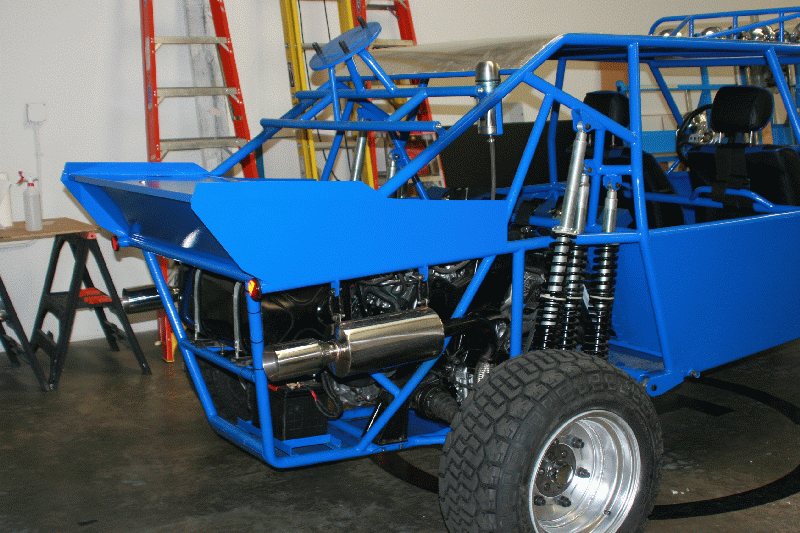
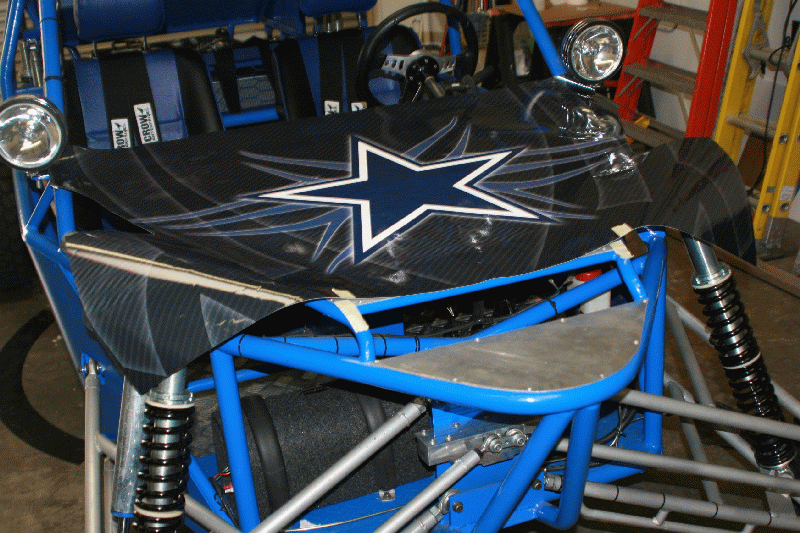
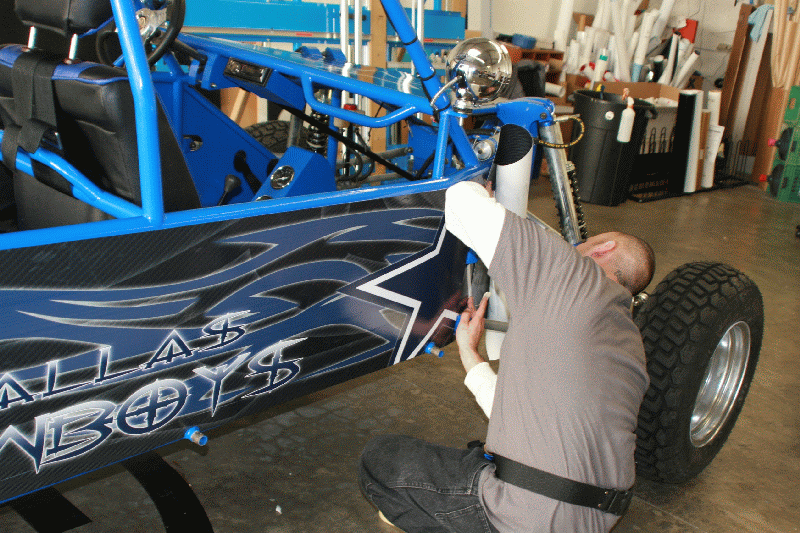
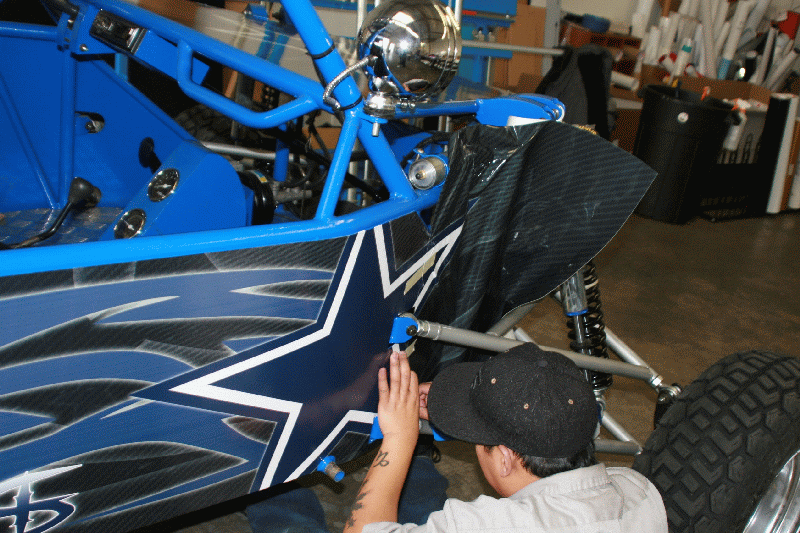
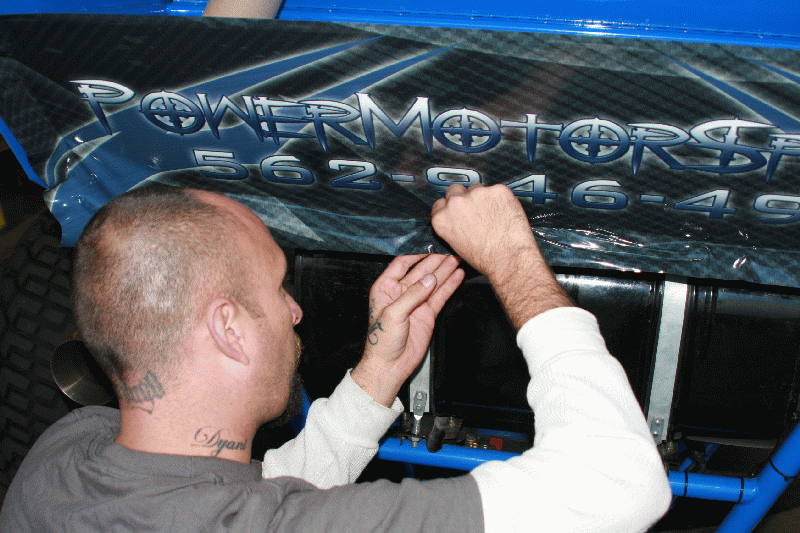
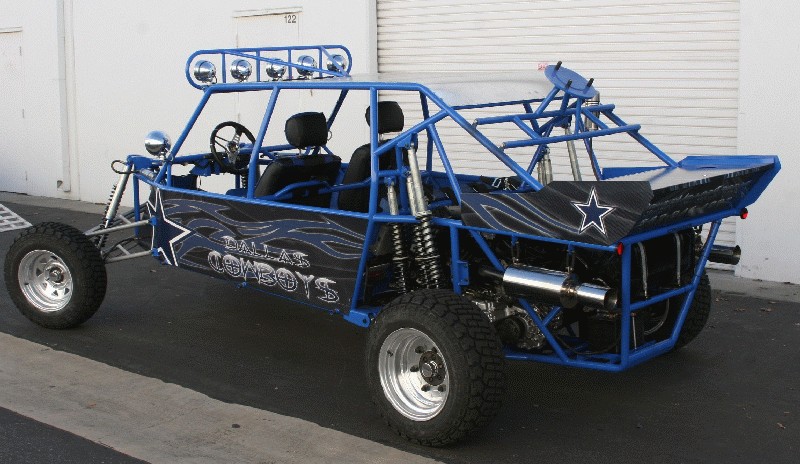
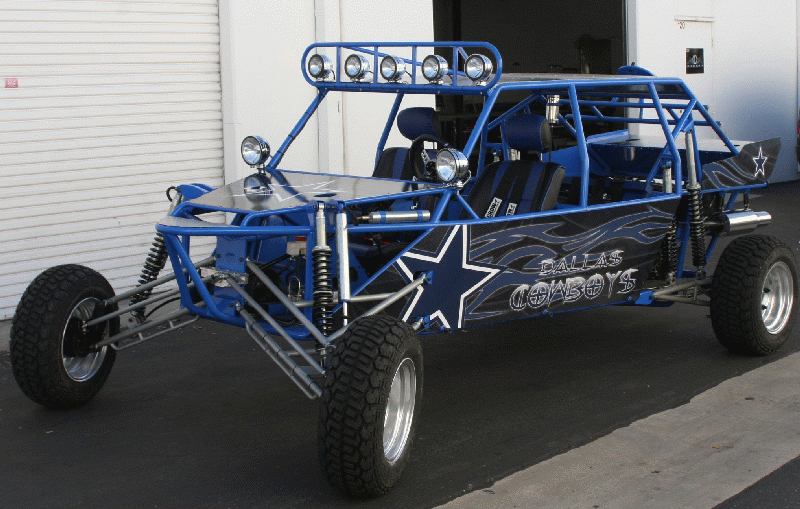
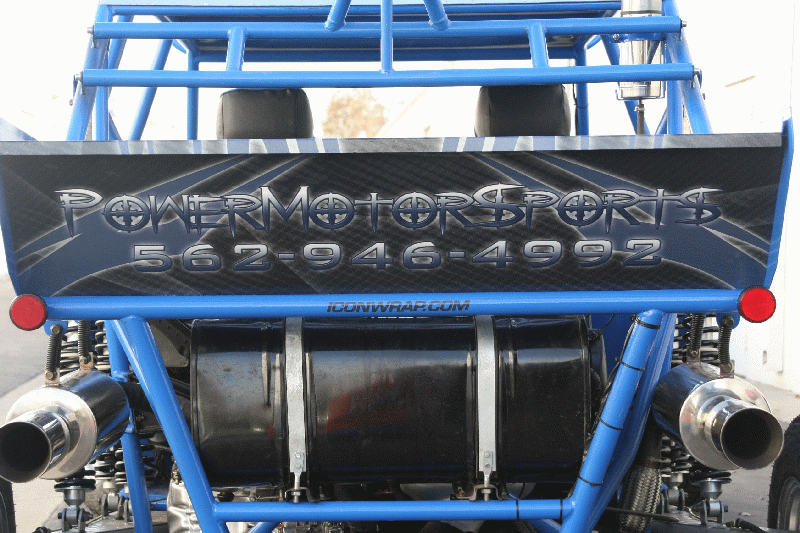
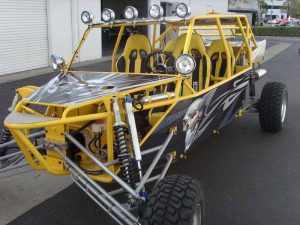
Sand Rail custom graphics by the vehicle wrap experts at Iconography. We are proud to have wrapped this custom sand rail for Power Motorsports, located in Santa Fe Springs, CA.
The process for creating custom graphics for a specialty vehicle such as a sand rail or dune buggy is a bit more labor intensive than your average vehicle, but at Iconography we make it easy. We start by taking details measurements of the surfaces to be wrapped. Once we have the measurements, we can build a template to scale. We then use this template to design your custom graphics in Adobe Illustrator or Photoshop, depending on the particulars of your design. Once the design is completed, we move to production: printing, laminating and trimming out your graphics.
What Is a Sand Rail?
A sand rail (or sand car/rail) is a lightweight, high-performance off-road vehicle built from scratch with an open, tubular steel frame, designed for high-speed travel and agility on sand dunes and sandy terrain. Unlike traditional dune buggies that are modified road cars, sand rails are custom-built for racing and adrenaline, featuring minimal bodywork, powerful mid-mounted engines, and paddle tires for maximum traction in sand, making them more specialized and demanding to drive.
What Are Challenges in Wrapping a Sand Rail?
Wrapping a sand rail (or dune buggy) is significantly more complex than wrapping a standard passenger car due to its unique structure and the harsh environments it inhabits. For these reasons, it is important to work with a qualified and experienced installer on your sand rail graphics project.
The primary difficulties in wrapping a sand rail include:
- Intricate Panels and Irregular Surfaces: Sand rails consist of numerous small, irregular panels and exposed tubular frames. Maintaining graphic flow across these disconnected pieces requires extreme precision in alignment and cutting.
- Complex Contours and Recesses: The deep recesses and sharp curves typical of off-road vehicle bodies can cause vinyl to “pop out” or fail if not applied with advanced techniques like post-heating or strategic seaming.
- Surface Preparation: These vehicles often feature a mix of fiberglass and metal components. Since sand rails are used in rough terrain, they frequently have chipped paint, dents, or deep scratches that must be sanded perfectly smooth, or the wrap will show every imperfection.
- Environmental Durability: Because they operate in abrasive environments (sand and debris) and high UV exposure, standard vinyl may not suffice. Professional installers often use thick base films (like 3M IJ180Cv3) and heavy-duty gloss overlaminates to protect against sandblasting.
- Lack of Hidden Edges: Unlike a standard car where wrap edges can be tucked behind trim or inside flanges, sand rail panels often have exposed edges. If not sealed or adhered properly, these edges are prone to peeling when they hit sand or brush.
- Heat Radiation: Some owners note that wrapping rail components can inhibit heat radiation from the frame, which may be a concern for high-performance builds.
What Material Is Best for a Sand Rail Wrap?
For wrapping a sand rail, you need a high-performance cast vinyl that offers exceptional durability, conformability to complex curves, and resistance to the harsh, abrasive desert environment. Oracal, 3M and Avery Dennison offer excellent options designed for such demanding conditions
All of our vehicle wraps are printed on the highest quality vinyl from manufacturers like 3M, Avery or Oracal (depending on the application) with matching UV overlaminates that provide longevity and durability. Once the graphics are ready, we move to installation. Our team of vinyl ninjas are trained and skilled at applying vinyl around even the most complex of curves on all types of objects from airplanes to accordions.
Do you have a Dune Buggy or other vehicle that needs a wrap? Give us a call today for a free quote 562-424-4353.